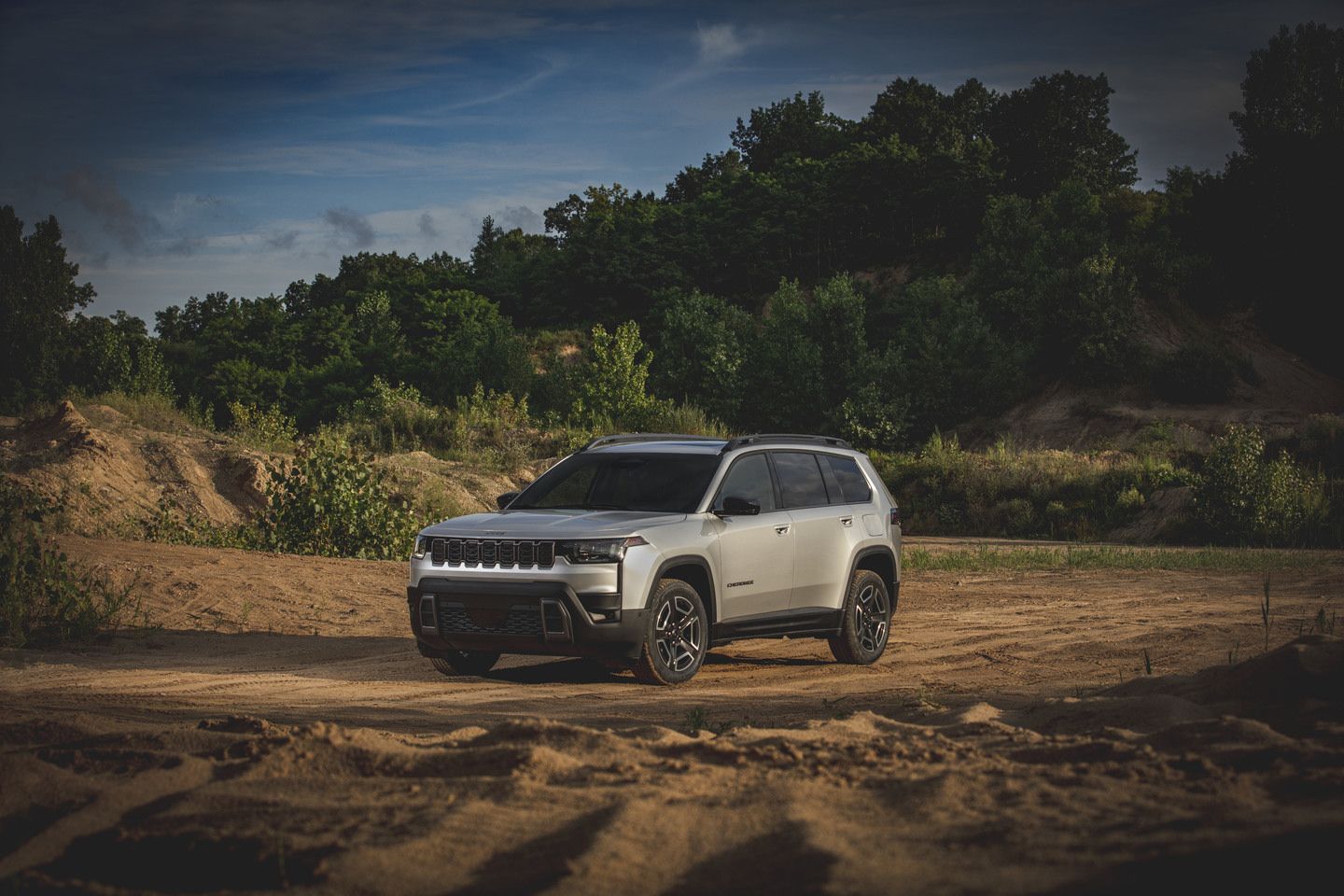
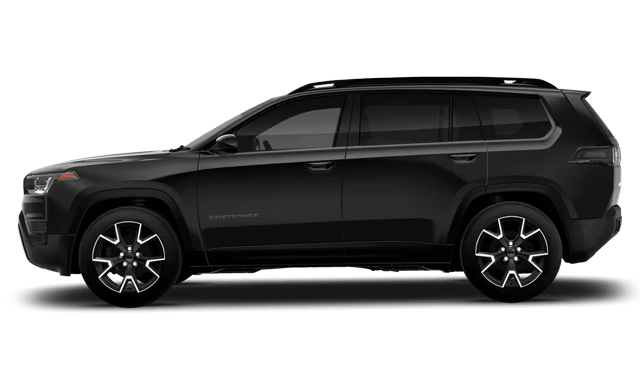
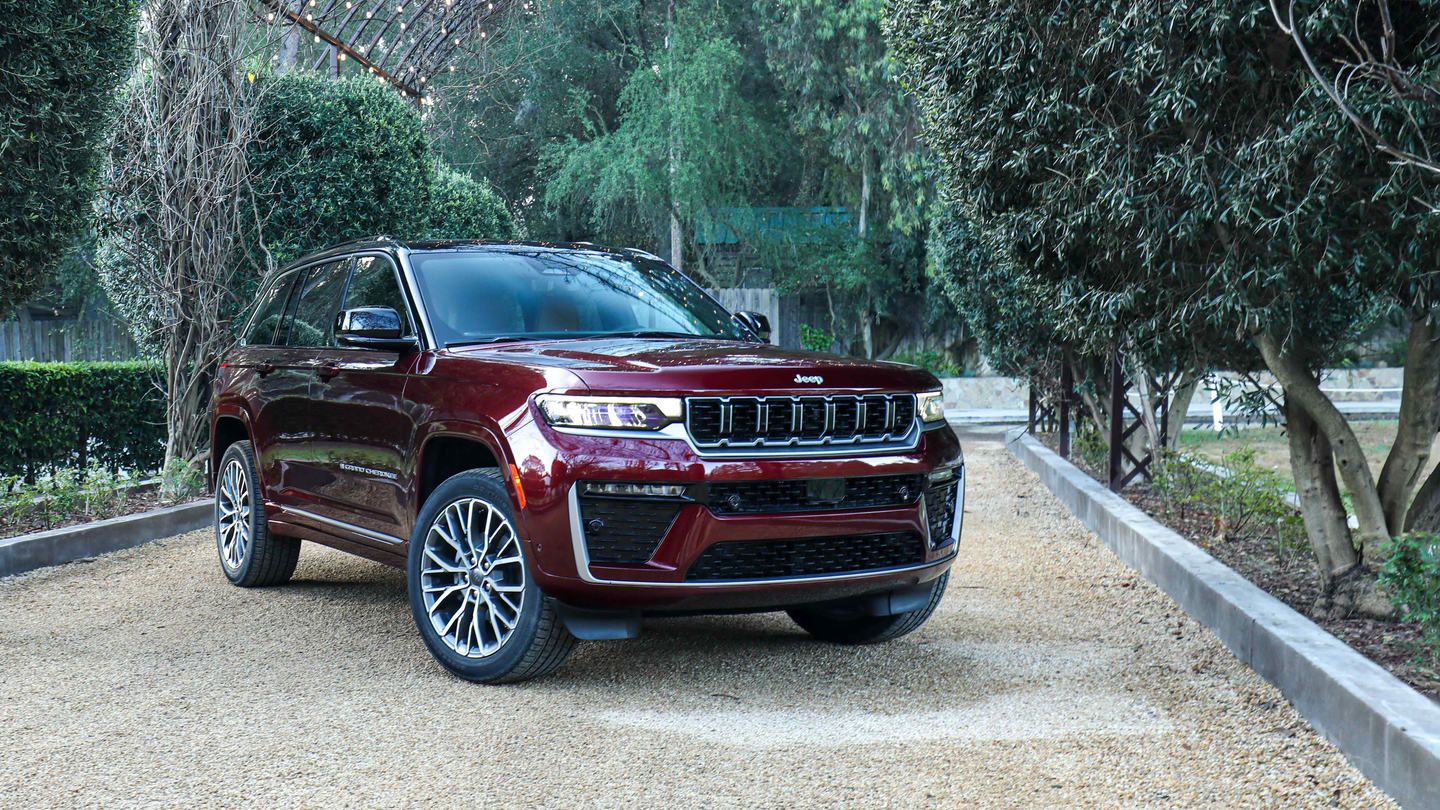
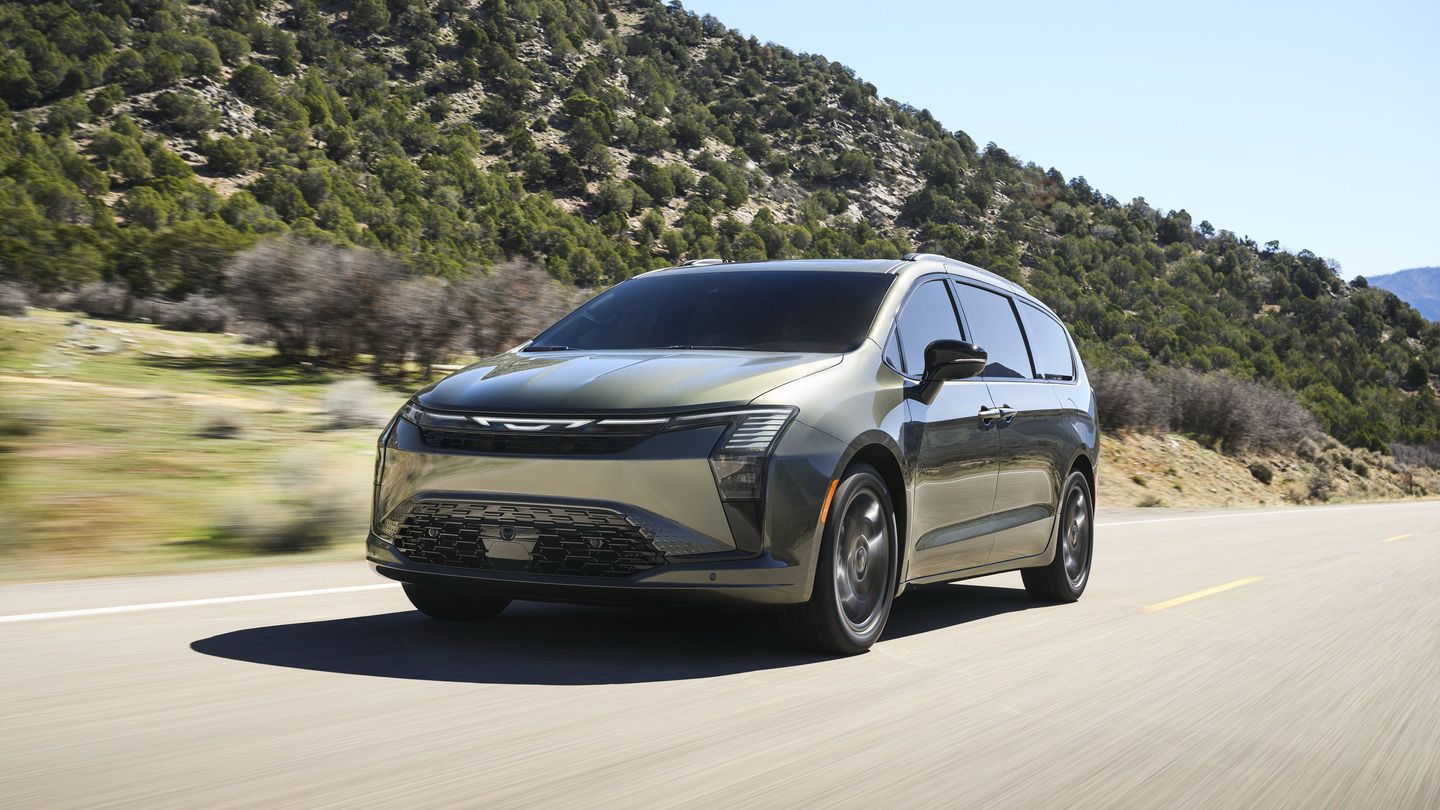
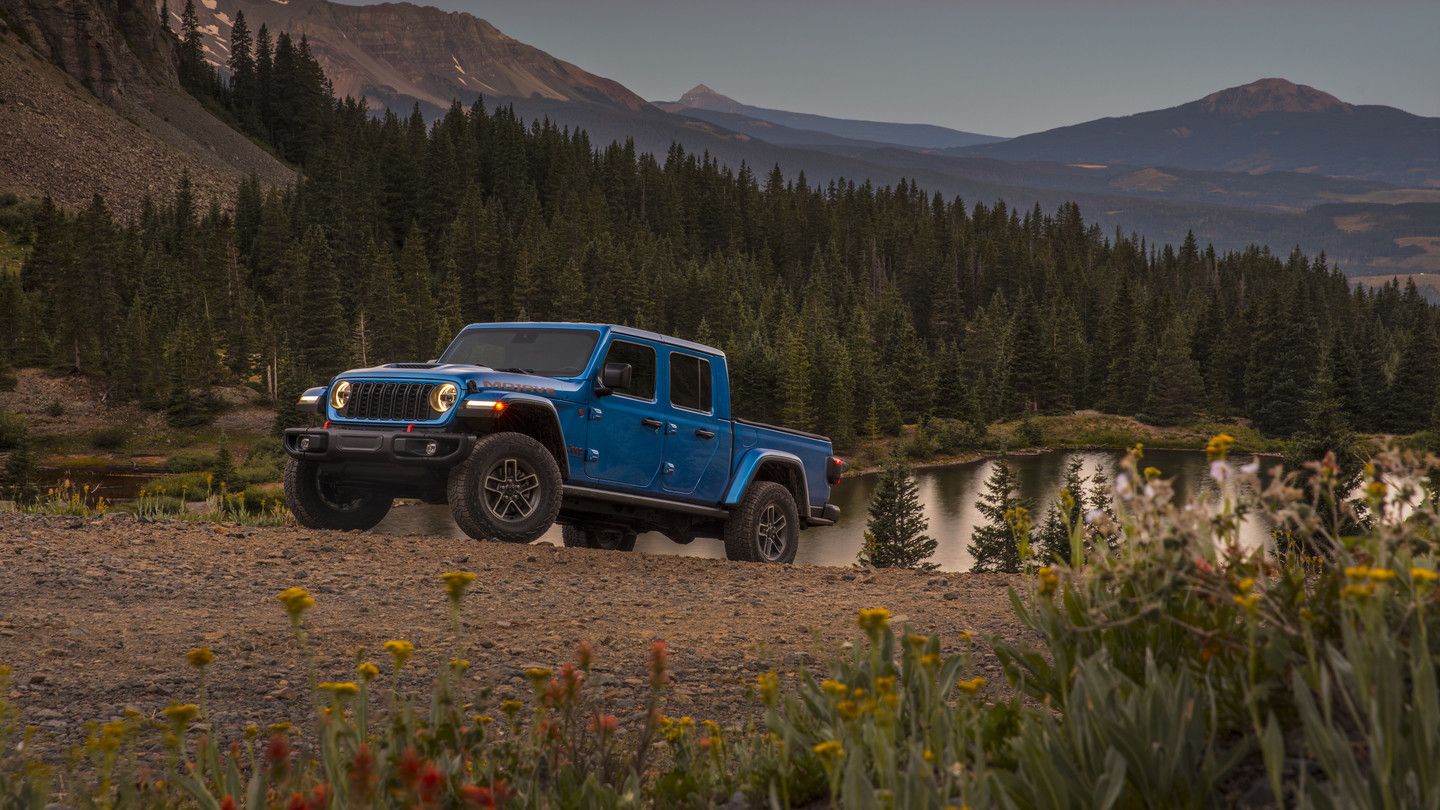
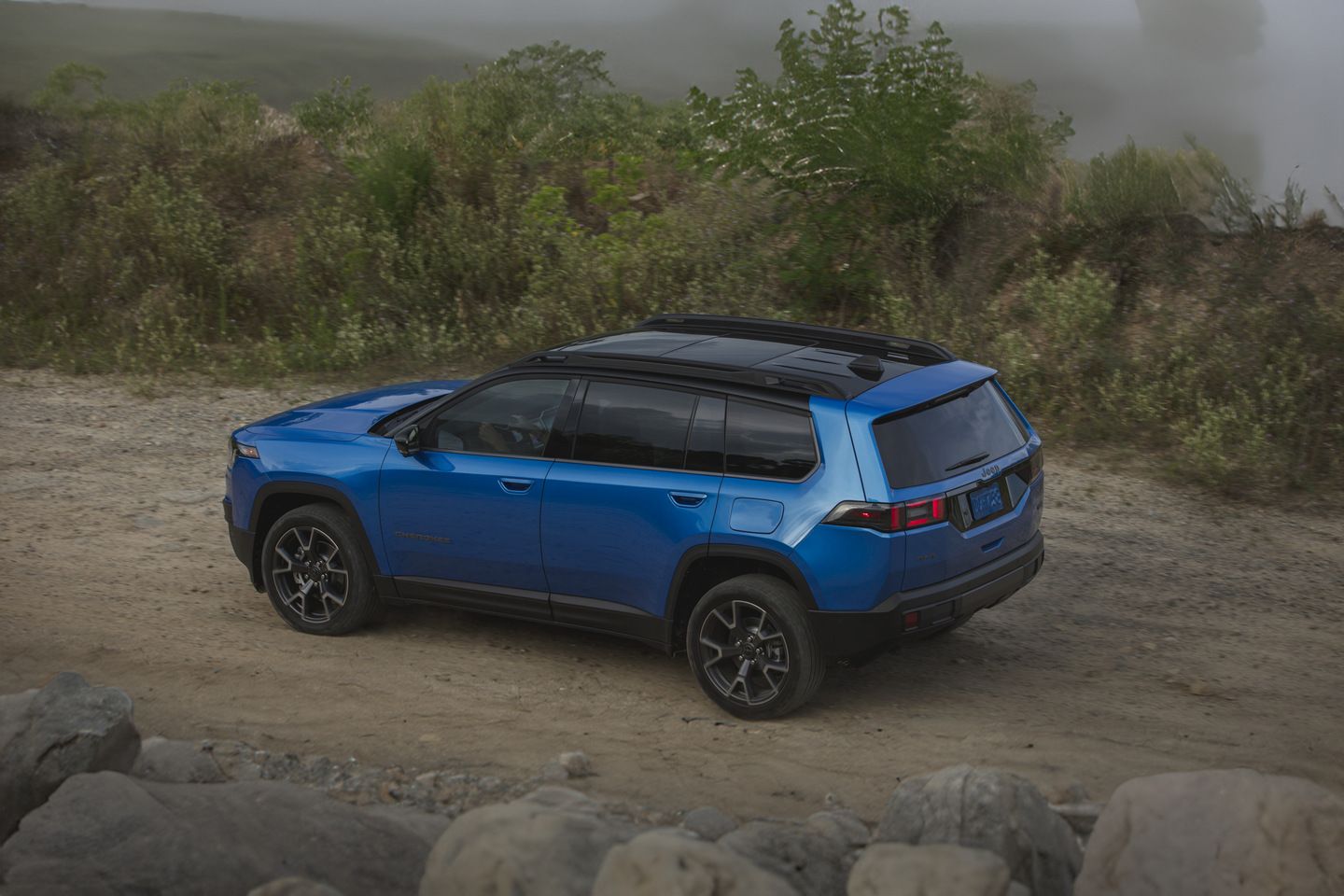
The 2026 Jeep Cherokee Hybrid enters Canada's midsize SUV segment with a new 1.6L turbo-four hybrid powertrain designed to compete directly with established hybrid models from Toyota and Honda. For families in Muskoka evaluating their options, the Cherokee brings a distinct capability profile alongside competitive efficiency figures.
The Cherokee Hybrid launches with a starting price under $40,000 CAD, positioning it as an accessible entry into the Jeep brand's electrified lineup. This pricing places the Cherokee between the Toyota RAV4 Hybrid (starting at approximately $35,750) and the Honda CR-V Hybrid (starting around $46,275), with a value proposition based on standard equipment and off-road capability.
Powertrain Specifications Across Three Models
|
Specification
|
2026 Cherokee Hybrid
|
2025 RAV4 Hybrid
|
2025 CR-V Hybrid
|
|
Engine
|
1.6L turbo I-4 hybrid
|
2.5L I-4 hybrid
|
2.0L I-4 hybrid
|
|
Total Power
|
210 hp
|
219 hp
|
204 hp
|
|
Torque
|
230 lb-ft
|
163 lb-ft
|
247 lb-ft
|
|
Combined Fuel Economy
|
6.4 L/100 km (est.)
|
6.0 L/100 km
|
6.4 L/100 km
|
|
Estimated Range
|
800 km
|
~750 km
|
~800 km
|
|
4x4 System
|
Active Drive I with rear disconnect
|
Electronic On-Demand AWD
|
Real Time AWD
|
|
Plug-in Required
|
No
|
No
|
No
|
The Cherokee Hybrid uses Stellantis' new 1.6L turbo-four hybrid system, developed at the company's Dundee, Michigan propulsion plant. This system combines an internal combustion engine with two electric motors and a battery pack, delivering 210 horsepower and 230 lb-ft of torque.
The Cherokee's hybrid system operates without requiring plug-in charging, drawing energy through regenerative braking and the gasoline engine. This approach differentiates it from the discontinued Jeep Grand Cherokee 4xe plug-in hybrid, which required external charging for optimal efficiency.
Four-Wheel Drive Systems: Capability Differences
The most significant distinction between these three models lies in their four-wheel drive architectures and capability certifications.
Cherokee Active Drive I System
The Cherokee Hybrid features Jeep's Active Drive I 4x4 system with rear axle disconnect. This system can send up to 100 percent of available torque to any single wheel, providing superior traction in snow and on uneven surfaces. The rear axle disconnect allows the vehicle to transition into front-wheel drive during highway cruising, improving fuel efficiency when four-wheel traction is not required.
The Cherokee will be available with Trail Rated capability on certain trims. Trail Rated certification requires the vehicle to pass testing across five categories: traction, water fording, maneuverability, articulation, and ground clearance. This certification indicates the Cherokee can handle terrain beyond paved roads and maintained gravel surfaces.
RAV4 Hybrid Electronic On-Demand AWD
The RAV4 Hybrid uses Toyota's Electronic On-Demand AWD system, which places an independent electric motor on the rear axle. This motor engages automatically when the system detects front wheel slip, sending power to the rear wheels. During normal driving on dry pavement, the RAV4 operates primarily in front-wheel drive.
CR-V Hybrid Real Time AWD
Honda's Real Time AWD system in the CR-V Hybrid uses a mechanical clutch pack to distribute torque between front and rear axles. The system monitors wheel speed and steering angle to determine when rear-wheel engagement is beneficial. Like the RAV4, the CR-V operates primarily in front-wheel drive under most conditions.
Practical Differences for Muskoka Driving
Parry Sound District driving conditions include maintained highways, seasonal cottage access roads, boat launch areas, and winter weather. The Cherokee's Active Drive I system provides advantages in specific scenarios:
Boat Launch and Beach Access: The ability to send 100 percent of torque to a single wheel helps when one or more wheels encounter loose surfaces like sand or gravel at lake access points. The RAV4 and CR-V systems rely on brake-based traction control, which can be less effective in sustained loose-surface conditions.
Cottage Road Navigation: Unmaintained cottage roads with ruts, washouts, or seasonal flooding benefit from the Cherokee's increased ground clearance (available on certain trims) and full torque transfer capability. Trail Rated models add specific hardware like skid plates and tow hooks.
Winter Performance: All three vehicles provide adequate winter traction with appropriate tires. The Cherokee's mechanical advantage appears in deeper snow conditions where sustained four-wheel power delivery helps maintain momentum. The RAV4 and CR-V handle typical winter highway and urban conditions effectively.
Interior Space and Cargo Volume
The 2026 Cherokee offers increased cargo space compared to the outgoing model, though specific measurements have not been released. The RAV4 Hybrid provides 1,007 litres behind the second row, while the CR-V Hybrid offers 965 litres in the same configuration. All three vehicles seat five passengers across two rows.
The Cherokee includes standard features: 10.25-inch digital instrument cluster, 12.3-inch infotainment screen with wireless Apple CarPlay and Android Auto, Blind-Spot Monitoring with Rear Cross Path Detection, and Active Driving Assist (Level 2 driver assistance with adaptive cruise control).
Technology and Safety Equipment
Cherokee Standard Features (Entry Trim):
- 10.25-inch full-colour digital instrument cluster
- 12.3-inch infotainment touchscreen
- Wireless Apple CarPlay and Android Auto
- Uconnect 5 system
- Heated front seats
- Passive entry system
- Rain-sensing wipers
- Automatic emergency braking with pedestrian and cyclist detection
- Intersection Collision Assist
- Blind-Spot Monitoring with Rear Cross Path Detection
- Drowsy Driver Detection
- Active Driving Assist (Level 2)
- Rear park assist with rear automatic emergency braking
- Connect ONE connected services (10 years included)
RAV4 Hybrid Standard Features:
- 8-inch or 12.3-inch touchscreen (depending on trim)
- Wireless Apple CarPlay and Android Auto
- Toyota Safety Sense 2.5 (pre-collision system, lane departure alert, adaptive cruise control, automatic high beams, lane tracing assist)
- Blind-Spot Monitoring (certain trims)
CR-V Hybrid Standard Features:
- 7-inch or 9-inch touchscreen (depending on trim)
- Wired Apple CarPlay and Android Auto (wireless on higher trims)
- Honda Sensing suite (collision mitigation braking, road departure mitigation, adaptive cruise control, lane keeping assist)
- Blind-Spot Monitoring (certain trims)
The Cherokee provides more standard technology content at its base price compared to entry-level RAV4 and CR-V configurations. The 12.3-inch screen, wireless connectivity, and comprehensive driver assistance features come standard rather than as trim-specific upgrades.
Fuel Efficiency Analysis
The Cherokee Hybrid's estimated 6.4 L/100 km combined fuel economy matches the CR-V Hybrid and falls slightly behind the RAV4 Hybrid's 6.0 L/100 km. These differences translate to modest variations in annual fuel costs:
At 20,000 kilometres per year and $1.50 per litre:
- RAV4 Hybrid: ~$1,800 annual fuel cost
- Cherokee Hybrid: ~$1,920 annual fuel cost
- CR-V Hybrid: ~$1,920 annual fuel cost
The Cherokee's estimated 800-kilometre range on a single tank reduces fuel stop frequency during trips between Sundridge and the Greater Toronto Area or other Ontario destinations.
Towing Capacity
The Cherokee Hybrid delivers what Jeep describes as "unsurpassed hybrid towing ratings" in its class, though specific numbers have not been released. The RAV4 Hybrid tows up to 1,750 pounds, while the CR-V Hybrid is not rated for towing. For Muskoka families who tow small boats or utility trailers, the Cherokee provides a capability advantage.
Pricing Structure Considerations
The Cherokee starts under $40,000 CAD, placing it approximately $4,250 above the base RAV4 Hybrid and $6,275 below the base CR-V Hybrid. This positioning reflects the Cherokee's standard equipment level, which includes features that appear as options or higher-trim exclusives on competitors.
Vehicle Selection Factors for Parry Sound District Families
Choose the Cherokee Hybrid if you:
- Require Trail Rated capability for cottage access roads or recreational trail access
- Tow small watercraft or utility trailers regularly
- Value four-wheel-drive mechanical capability over electronic traction management
- Want comprehensive standard technology without trim upgrades
- Prefer higher ground clearance for seasonal flooding or deep snow
Choose the RAV4 Hybrid if you:
- Prioritize best-in-class fuel efficiency (6.0 L/100 km)
- Drive primarily on maintained roads with occasional winter weather
- Value Toyota's reliability reputation and resale value
- Seek the most affordable entry price in this comparison
- Do not require towing capability
Choose the CR-V Hybrid if you:
- Want maximum interior refinement and driving comfort
- Value Honda's driving dynamics and handling characteristics
- Do not tow trailers or access difficult terrain
- Prefer a smoother, more car-like driving experience
- Can accommodate the higher starting price
Experience the Cherokee Hybrid at Mac Lang Sundridge
The 2026 Cherokee Hybrid introduces a new option for families in the Parry Sound District seeking hybrid efficiency with Jeep capability. Our team at Mac Lang Sundridge can demonstrate the Active Drive I 4x4 system, explain Trail Rated features, and help determine whether the Cherokee's capability profile aligns with your driving patterns. Contact us to arrange a test drive and discuss available trims and configuration options.