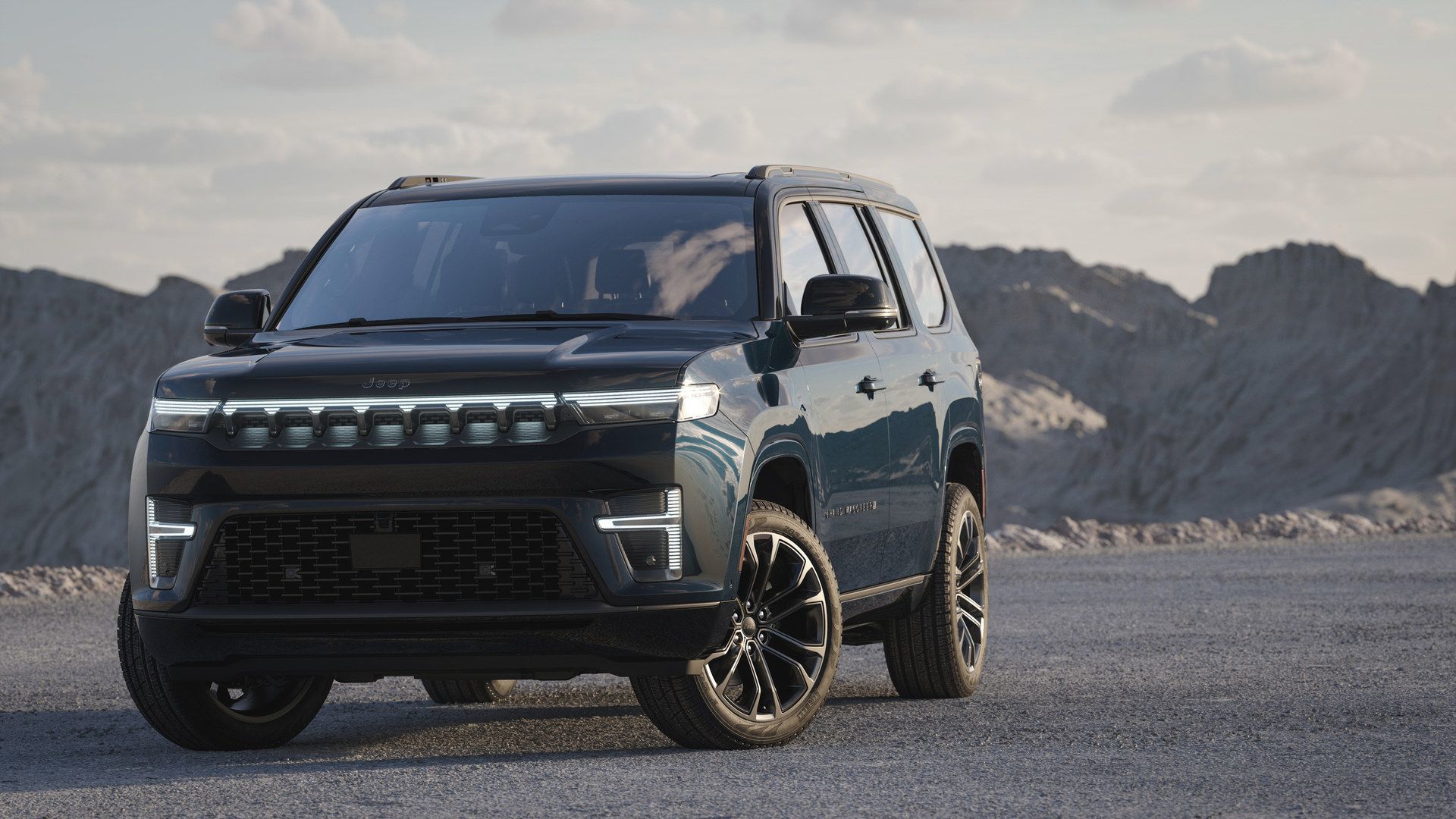
Choosing a full-size SUV is a big decision. Before you visit the showroom, take a few minutes to reflect on how you'll actually use the vehicle. The answers to five key questions will help you decide if the Grand Wagoneer matches your needs.
This isn't about specs or trim levels. It's about your daily reality. If you're considering a three-row SUV, you already know you need space and capability. The question is whether this particular vehicle fits the way you drive, the people you carry, and the roads you travel.
1. How Do You Commute?
Start with your daily drive. If you commute into Huntsville or North Bay, consider fuel economy and comfort. The Grand Wagoneer with the 3.0-litre Hurricane Twin Turbo engine delivers strong performance, though fuel consumption is typical for a full-size SUV. If you're driving 100 km round-trip five days a week, that adds up.
The REEV powertrain (arriving late 2026) changes the equation. With a 92-kWh battery pack and an estimated 800 kilometres of total range, you can cover most daily trips on electric power alone. The 3.6-litre V-6 generator kicks in only when the battery depletes, so your fuel costs drop significantly if you charge at home overnight.
If your commute is short and mostly in town, the REEV makes sense. If you're driving long highway stretches daily, the standard Hurricane engine is proven and capable. Consider your charging access at home and work before committing to the REEV.
2. How Many People Do You Carry Regularly?
The Grand Wagoneer seats seven or eight, depending on whether you choose captain's chairs or a second-row bench. But seating capacity is only part of the story. Consider who rides with you most often.
If you have three kids in car seats, the second-row captain's chairs make installation easier - you can walk between the seats to reach the third row. If you regularly haul six or seven people, the bench seat gives you more flexibility.
The third row offers 930 mm (36.6 inches) of legroom, which is enough for adults on short trips or kids on longer ones. The standard Grand Wagoneer offers 790 litres of cargo space behind the third row - enough for a grocery run or a few hockey bags.
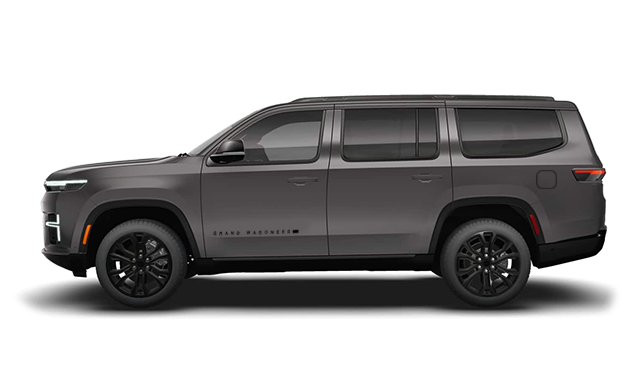
The Grand Wagoneer L stretches the wheelbase and increases cargo space to 1,206 litres, which fits more gear without folding seats. If you're hauling sports equipment, camping gear, or luggage for a family trip, the L model gives you breathing room.
3. What Are You Towing?
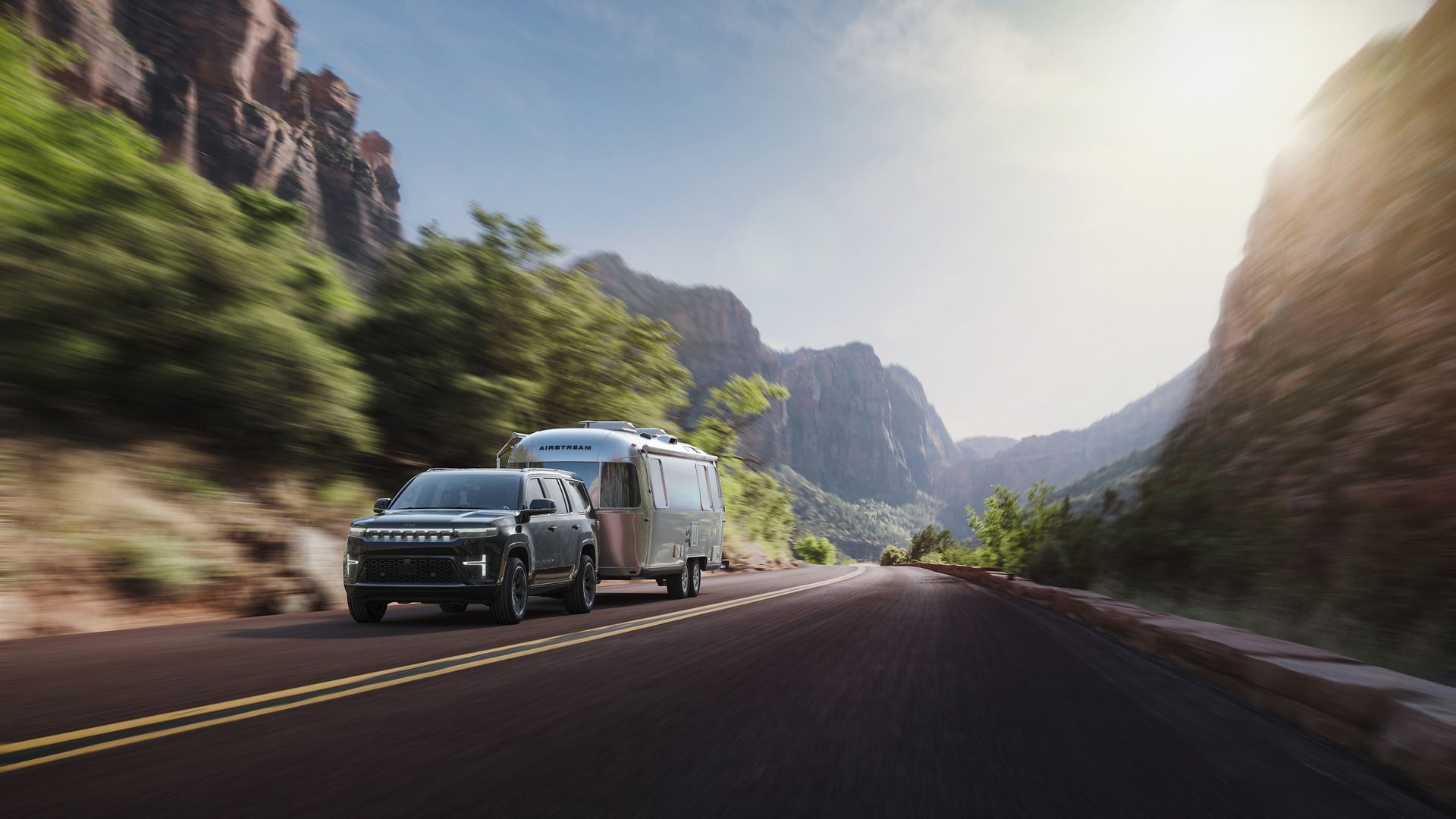
Towing capacity varies by configuration. The Grand Wagoneer with the 3.0-litre engine and 3.92 axle ratio tows up to 10,000 lb (4,535 kg) - enough for a large boat, a camper trailer, or a car hauler. The Grand Wagoneer L with the same setup tows up to 9,860 lb (4,472 kg).
If you're towing a 24-foot boat or a travel trailer, the Grand Wagoneer handles it. The suspension is tuned for stability under load, and the 4WD system provides traction on slippery boat ramps. If you tow regularly, the higher axle ratio is worth it. If you tow occasionally or pull lighter loads, the base configuration still offers 6,030 lb (2,735 kg) of capacity.
Consider what you tow and how often. If you're pulling a trailer every weekend, the Grand Wagoneer is built for it. If you tow once or twice a year, you might not need the full capability.
4. Where Do You Drive?
Ontario roads vary. If you're mostly on Highway 11 between Sundridge and Huntsville, the Grand Wagoneer's highway manners matter. The suspension is tuned for a smooth, planted ride - comfortable on long stretches without feeling floaty in corners. The cabin is quiet, and the available 19-speaker McIntosh audio system makes the drive more enjoyable.
If you venture off-road - cottage roads, logging trails, winter conditions - the 4WD system and available Quadra-Lift air suspension give you clearance and traction. The air suspension raises ground clearance to 257 mm (10.1 inches) in Off Road 2 mode, which clears rocky terrain and deep snow. Approach and departure angles improve in the raised setting, so you're less likely to scrape the bumpers on steep inclines.
If you drive mostly paved roads, the standard suspension is fine. If you need off-road capability or frequently navigate rough cottage roads, the air suspension is worth considering.
5. Does the Price Fit Your Budget?
The 2026 Grand Wagoneer starts at $87,995. That's a significant investment, and it's only the starting point. The Limited, Upland, Limited Reserve, Summit, and Summit Reserve trims add features and raise the price. The REEV powertrain will carry a premium over the standard engine.
Consider your total ownership cost. Fuel, insurance, maintenance, and financing all add up. If you're considering the REEV, factor in your charging setup at home - a Level 2 charger speeds up overnight charging and makes electric-only driving practical.
If the price fits your budget and you'll use the space, capability, and refinement regularly, the Grand Wagoneer makes sense. If you're stretching to afford it or won't use the third row and towing capacity, a smaller SUV might be a better fit.
Making the Decision
The 2026 Jeep Grand Wagoneer is built for families who need space, capability, and comfort. It tows heavy loads, seats up to eight, and handles Ontario roads and weather. The REEV powertrain adds electric driving for buyers who want lower fuel costs and reduced emissions.
But it's not the right choice for everyone. If you don't need three rows, rarely tow, or want better fuel economy, a midsize SUV might suit you better. If you need the space and capability, the Grand Wagoneer delivers.
Visit Mac Lang Sundridge to see the 2026 Grand Wagoneer in person. The standard Grand Wagoneer with the Hurricane engine is available now - the REEV arrives later this year.