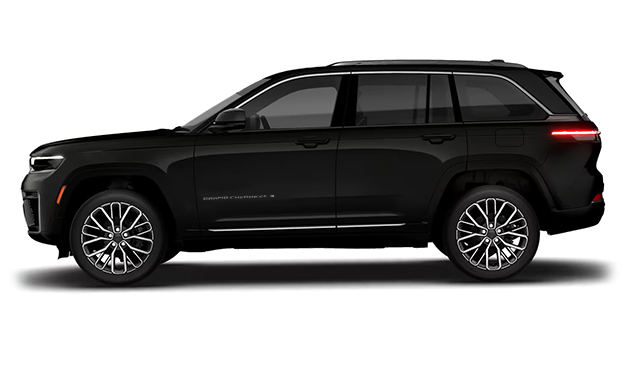
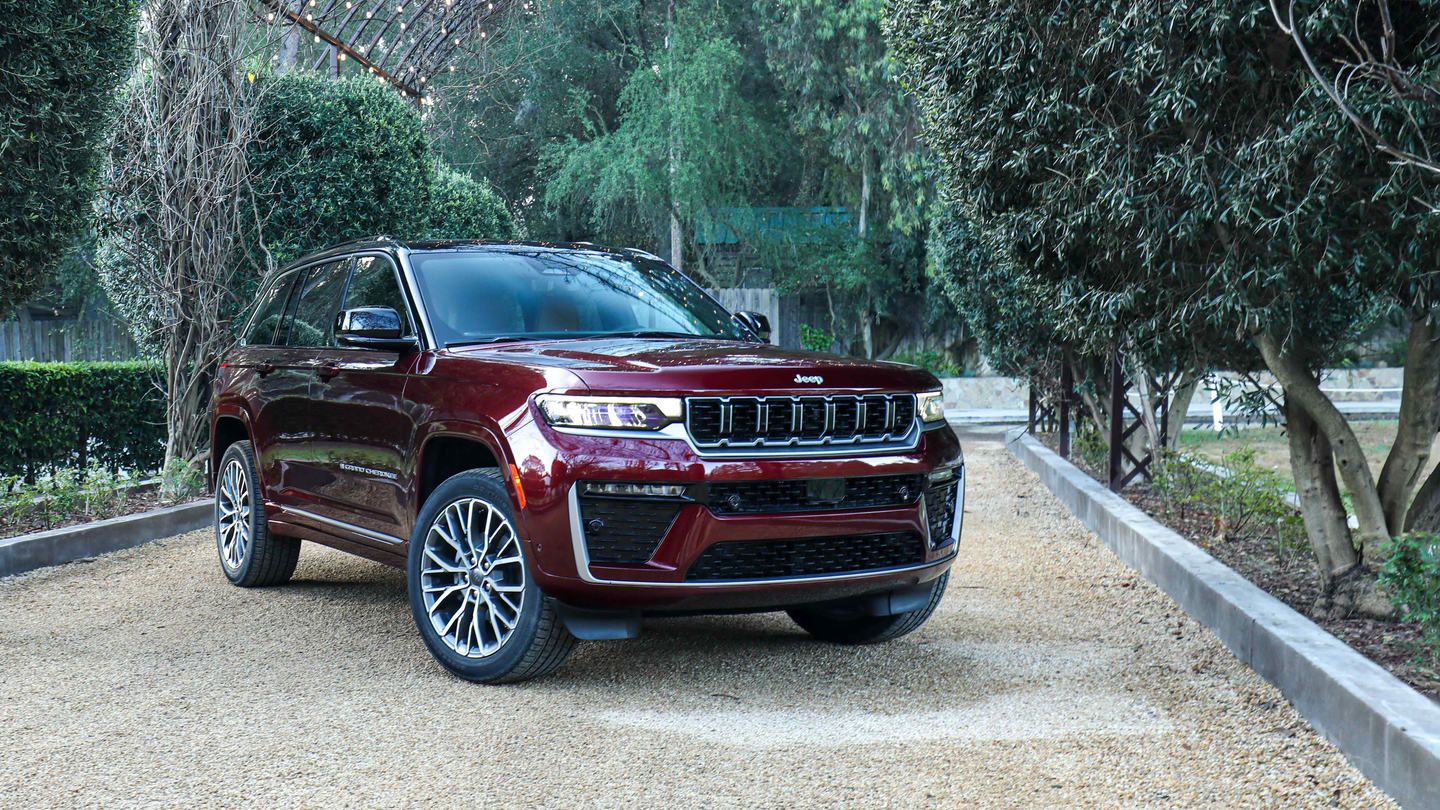
The 2026 Jeep Grand Cherokee introduces Stellantis' 2.0-litre Hurricane 4 Turbo engine, producing 324 horsepower and 332 lb-ft of torque. These output figures exceed many larger displacement V6 engines while delivering improved fuel economy through advanced turbocharging and combustion technology.
Arriving late 2025 at Canadian dealerships, this powertrain addresses specific requirements for Muskoka and Parry Sound District drivers: towing boats to area lakes, navigating Highway 11 and Highway 400 routes to Toronto, managing seasonal cottage access roads, and handling year-round weather variations from summer heat to winter cold. For Northern Ontario drivers evaluating powertrain options, understanding the technical differences between four-cylinder turbo and naturally aspirated V6 engines clarifies how this new option serves regional driving demands.
Turbulent Jet Ignition Technology Explained
The Hurricane 4 Turbo marks the industry's first high-volume application of Turbulent Jet Ignition technology. This combustion system operates through a two-stage ignition process that accelerates burn rate and improves thermal efficiency.
Each cylinder features a small pre-chamber positioned above the main combustion chamber. During compression, a small quantity of air-fuel mixture enters this pre-chamber. The spark plug ignites this mixture, creating rapidly expanding combustion gases. These gases jet through multiple small orifices into the main combustion chamber at high velocity.
The high-velocity jets create turbulence that triggers faster and more complete combustion of the main air-fuel charge. This accelerated burn rate produces three measurable benefits: increased power output per displacement, reduced unburned hydrocarbons, and improved fuel economy. The system runs on regular 87-octane gasoline rather than requiring premium fuel.
Power Output Comparison
The Hurricane 4 Turbo generates 324 horsepower at 6,000 rpm and 332 lb-ft of torque from 3,000-4,500 rpm. The 3.6-litre Pentastar V6 that remains available produces 293 horsepower and 260 lb-ft of torque.
|
Engine
|
Horsepower
|
Torque
|
|
2.0L Hurricane 4 Turbo
|
324 hp
|
332 lb-ft
|
|
3.6L Pentastar V6
|
293 hp
|
260 lb-ft
|
|
Power Difference
|
+31 hp
|
+72 lb-ft
|
The 72 lb-ft torque advantage proves particularly relevant for towing and passing. Higher torque at lower rpm provides stronger acceleration from standstill and improves responsiveness when merging onto Highway 400 from rest areas or passing slower vehicles on two-lane sections of Highway 11.
Variable Geometry Turbocharger Function
The Hurricane 4 Turbo uses a variable geometry turbocharger that adjusts internal vane angles based on engine speed and load. At low rpm when exhaust flow is minimal, the vanes close partially to accelerate exhaust gas velocity. This faster flow spins the turbine more quickly, building boost pressure earlier.
At high rpm when exhaust flow increases naturally, the vanes open to allow maximum flow volume without creating excessive backpressure. This variable geometry design delivers 90 per cent of peak torque from 2,600 to 5,600 rpm—a broad power band that provides usable performance across typical driving situations.
For Muskoka driving, this broad torque curve means consistent power availability whether accelerating from Huntsville traffic lights, merging onto Highway 11 at Sundridge, or climbing grades on cottage access roads. The engine responds predictably without the pronounced turbo lag characteristic of older fixed-geometry turbocharger designs.
Towing Capability for Cottage Country
Both the Hurricane 4 Turbo and Pentastar V6 tow up to 2,812 kilograms (6,200 pounds) when properly equipped. This rating handles most boat and trailer combinations common in Muskoka lakes region.
Common towing scenarios in the area:
- 6.1-metre aluminum fishing boat with tandem trailer: approximately 1,400-1,800 kg
- 5.5-metre fibreglass runabout with trailer: approximately 1,100-1,500 kg
- Dual personal watercraft with tandem trailer: approximately 900-1,200 kg
- Utility trailer loaded with cottage supplies: approximately 700-1,000 kg
The Hurricane 4 Turbo's higher torque output provides advantage when launching boats at steep ramps or navigating hilly terrain with trailers. The 332 lb-ft available from 3,000 rpm delivers stronger pulling power than the Pentastar's 260 lb-ft, particularly noticeable when accelerating from stops with heavy loads.
Fuel Economy and Driving Range
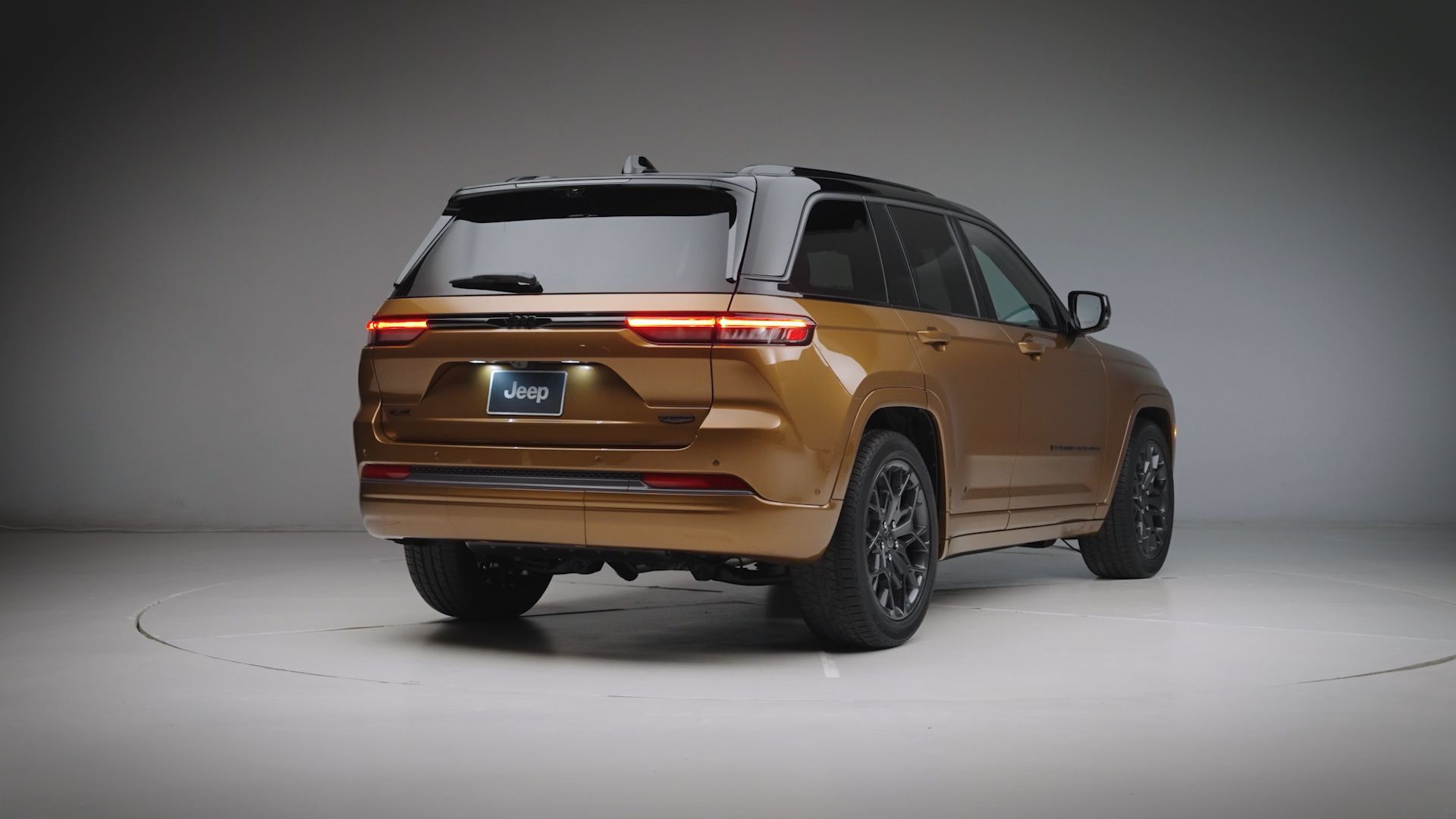
The 2026 Grand Cherokee with Hurricane 4 Turbo achieves an estimated 850 kilometres of driving range on a single tank. This range accommodates common Muskoka-area travel patterns:
- Sundridge to Toronto (approximately 220 km) round trip with reserve
- Weekend cottage trips within Parry Sound District
- Weekly commuting between Huntsville and Barrie (approximately 100 km each way)
The extended range reduces refuelling frequency for drivers covering regular long-distance routes. Rural areas between Muskoka communities and larger centres often feature limited fuel station density, making extended range a practical advantage for minimizing fuel stops.
Engine Assembly and Availability
The Hurricane 4 Turbo is assembled at Stellantis' Dundee Engine Plant in Michigan. The engine becomes available on the Laredo Altitude trim level, representing the entry point for this new powertrain. The Pentastar V6 continues as an option across the Grand Cherokee lineup.
Buyers choosing between engines should consider driving priorities. The Hurricane 4 Turbo delivers more power and torque with improved fuel economy, suited for drivers prioritizing performance and efficiency. The Pentastar V6 offers proven reliability and a different power delivery character, appealing to buyers preferring naturally aspirated engines.
2026 Grand Cherokee Updates
Beyond the Hurricane 4 Turbo, the 2026 Grand Cherokee receives several updates. A new 12.3-inch infotainment screen replaces the previous 10.25-inch unit, providing larger display area for navigation and split-screen functions. The Uconnect 5 system includes wireless Apple CarPlay and Android Auto connectivity.
Exterior updates include a revised seven-slot grille design, new headlight configuration, and modified rear fascia. Three new exterior colours arrive: Steel Blue, Copper Shino, and Fathom Blue. These additions expand colour choices for buyers wanting alternatives to traditional black, white, and grey options.
The trim lineup simplifies to three levels: Laredo, Limited, and Summit. Laredo Altitude adds standard equipment previously optional, including Selec-Terrain 4x4 system, Traffic Sign Recognition, and Intersection Collision Assist. Limited trim includes leatherette upholstery, heated second-row seats, Alpine nine-speaker audio, and ambient lighting.
Selec-Terrain System Operation
The Selec-Terrain traction management system provides multiple drive modes: Auto, Sport, Snow, Sand/Mud, and Rock (on capable trims). Each mode adjusts throttle response, transmission shift points, and traction control intervention for specific conditions.
For Northern Ontario driving, Snow mode proves particularly relevant during winter months. This setting optimizes throttle response to prevent wheel spin on ice, adjusts transmission to hold lower gears longer for engine braking, and modifies stability control intervention for slippery surfaces. The system automatically distributes torque between front and rear axles based on available traction.
Auto mode handles most year-round driving situations, balancing performance and efficiency. Sport mode sharpens throttle response for highway passing and merging. Sand/Mud mode aids cottage road navigation during spring thaw when access roads deteriorate.
Which Engine Serves Your Needs
Choosing between the Hurricane 4 Turbo and Pentastar V6 depends on priorities. The Hurricane 4 Turbo provides more power, more torque, better fuel economy, and extended driving range. These advantages benefit drivers who tow regularly, cover long highway distances, or prioritize performance and efficiency.
The Pentastar V6 offers naturally aspirated power delivery without turbo lag, proven long-term reliability across millions of vehicles, and familiar operation for drivers accustomed to V6 engines. Some buyers prefer this conventional approach over turbocharged technology.
For Muskoka drivers who tow boats frequently, make regular trips to Toronto, or want maximum fuel efficiency, the Hurricane 4 Turbo's technical advantages align with these requirements. The higher output and better economy justify consideration for buyers prioritizing capability and operating costs.
Visit Mac Lang Sundridge
The 2026 Jeep Grand Cherokee's Hurricane 4 Turbo engine demonstrates how advanced turbocharging and combustion technology deliver V6-exceeding power from a four-cylinder platform. Our team at Mac Lang Sundridge can explain specifications, arrange test drives comparing both engines, and discuss how each powertrain serves Northern Ontario driving conditions.