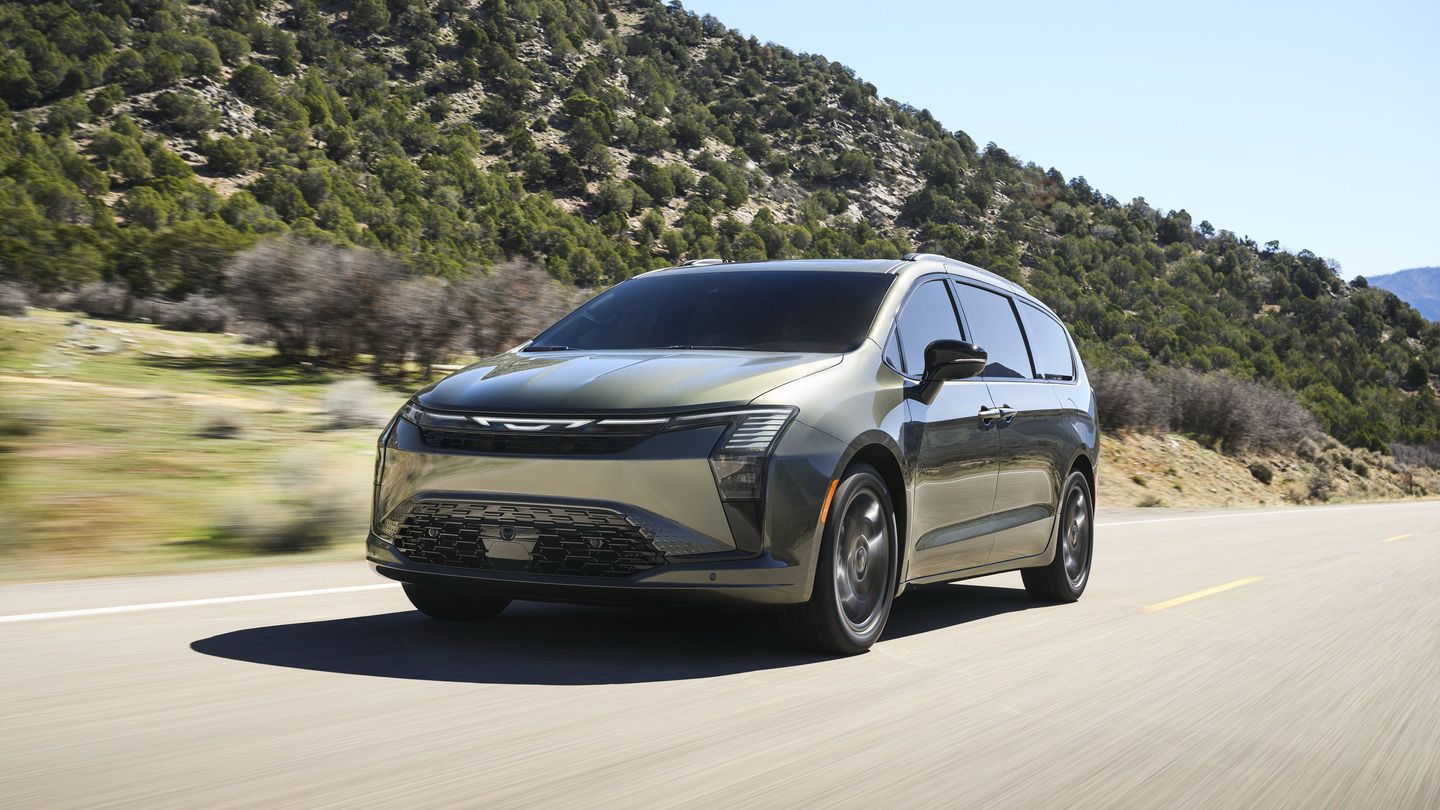
The 2026 Jeep Grand Cherokee introduces Stellantis' 2.0L Hurricane 4 Turbo engine as the base powertrain option. This four-cylinder turbocharged engine produces 324 horsepower and 332 lb-ft of torque, output figures that exceed many larger displacement V6 engines while targeting improved fuel efficiency.
For Ontario drivers accustomed to V6 or V8 powerplants in midsize and large SUVs, the idea of a four-cylinder engine powering a vehicle capable of seating seven passengers may raise questions about capability. The Hurricane 4 Turbo addresses these concerns through advanced engineering approaches that differentiate it from conventional four-cylinder designs.
Power Density: 162 Horsepower Per Litre
The Hurricane 4 Turbo achieves 162 horsepower per litre of displacement, a figure that represents the engine's efficiency in converting fuel into usable power. For comparison:
- 3.6L Pentastar V6 (Grand Cherokee): 293 hp ÷ 3.6L = 81 hp/L
- 5.7L HEMI V8 (Grand Cherokee): 357 hp ÷ 5.7L = 63 hp/L
- 2.0L Hurricane 4 Turbo: 324 hp ÷ 2.0L = 162 hp/L
This power density results from turbocharging, direct injection, and advanced combustion technology working together. The Hurricane 4 produces more power from less displacement than the naturally aspirated engines it supplements in the Grand Cherokee lineup.
Turbulent Jet Ignition Technology
The Hurricane 4 Turbo is the industry's first high-volume application of Turbulent Jet Ignition (TJI) technology. This system changes how air and fuel ignite inside the combustion chamber.
Conventional Ignition Process
Traditional spark plugs create a single ignition point in the combustion chamber. The flame spreads outward from this point, burning the air-fuel mixture. This process works effectively but has physical limitations on combustion speed and efficiency.
Turbulent Jet Ignition Process
TJI places a small pre-chamber above each cylinder. A spark plug ignites a small amount of fuel in this pre-chamber. The burning fuel expands and jets into the main combustion chamber through multiple small openings. These jets create multiple ignition points simultaneously, triggering faster and more complete combustion of the air-fuel charge.
Benefits of TJI
- Faster Combustion: Multiple ignition points burn the fuel mixture more quickly than a single spark point
- More Complete Burn: Better fuel utilization reduces wasted energy and emissions
- Improved Efficiency: More energy extracted from each combustion cycle
- Cleaner Operation: More thorough combustion produces fewer emissions
Performance Specifications
The 2.0L Hurricane 4 Turbo delivers:
- Power: 324 horsepower
- Torque: 332 lb-ft
- Towing Capacity: 6,200 pounds (2,812 kg)
- Estimated Range: 529 miles (851 km) per tank
These figures position the Hurricane 4 as a capable base engine for the Grand Cherokee. The 6,200-pound towing capacity exceeds what many four-cylinder engines can handle and approaches the capability of larger displacement engines in this class.
Comparison to Other Grand Cherokee Powertrains
The 2026 Grand Cherokee offers multiple engine options, allowing buyers to select based on their performance and efficiency priorities:
|
Engine
|
Displacement
|
Power
|
Torque
|
Towing Capacity
|
|
Hurricane 4 Turbo
|
2.0L I-4
|
324 hp
|
332 lb-ft
|
6,200 lbs
|
|
Pentastar V6
|
3.6L V6
|
293 hp
|
260 lb-ft
|
6,200 lbs
|
|
Hurricane 4xe PHEV
|
2.0L I-4 + electric
|
375 hp total
|
470 lb-ft total
|
6,000 lbs
|
The Hurricane 4 Turbo produces more power and torque than the naturally aspirated Pentastar V6 while using smaller displacement. The plug-in hybrid 4xe system adds electric motors for higher output but requires charging infrastructure and carries additional complexity.
How Turbocharging Increases Power Output
Turbocharging forces more air into the combustion chamber than natural atmospheric pressure would provide. The engine's exhaust gases spin a turbine, which drives a compressor that pressurizes intake air. More air allows more fuel to burn, creating more power from the same displacement.
The Hurricane 4 Turbo's design minimizes turbo lag (the delay between pressing the accelerator and receiving full power) through careful matching of turbocharger size to engine characteristics. The result is responsive acceleration that feels immediate rather than delayed.
Engine Construction and Materials

The Hurricane 4 Turbo uses aluminum block and head construction, reducing weight compared to iron components. The cylinder head features chain-driven dual overhead camshafts (DOHC) with 16 valves (four per cylinder). Variable valve timing adjusts when intake and exhaust valves open and close, optimizing performance across different engine speeds.
Direct fuel injection delivers pressurized fuel directly into the combustion chamber rather than into the intake port. This allows more precise control of fuel delivery timing and quantity, improving both power and efficiency.
Fuel Requirements and Operating Costs
The Hurricane 4 Turbo operates on regular 87 octane gasoline, though higher octane fuel may improve performance and efficiency. This fuel flexibility keeps operating costs reasonable compared to engines requiring premium fuel.
The estimated 851-kilometre range per tank means fewer fuel stops during trips between Muskoka and other Ontario destinations. The smaller displacement and advanced combustion technology target lower fuel consumption than the V6, though official fuel economy figures have not been released.
Addressing Four-Cylinder Concerns for SUV Applications
Smoothness and Refinement
Four-cylinder engines typically produce more vibration than six or eight-cylinder engines due to their firing order and physical balance. The Hurricane 4 uses balancing systems and engine mounting strategies to minimize vibration transfer to the cabin. Turbocharging also smooths power delivery by reducing the perceived roughness of a smaller engine working hard.
Power Delivery Character
Turbocharged four-cylinders deliver torque differently than naturally aspirated larger engines. Peak torque arrives at lower engine speeds (2,500–3,500 rpm for turbocharged engines versus 4,000–5,000 rpm for naturally aspirated engines). This low-end torque suits SUV driving, where acceleration from stops and mid-range passing power matter more than high-rpm performance.
Long-Term Durability
Turbocharged engines operate under higher stress than naturally aspirated designs. The Hurricane 4 addresses this through:
- Forged and cast internal components designed for boost pressure
- Advanced lubrication systems
- Thermal management for turbocharger and intercooler
- Electronic controls preventing over-boost or over-temperature conditions
Stellantis backs the Hurricane 4 with the same warranty coverage as other powertrains, indicating confidence in its durability for SUV applications.
Real-World Performance Expectations
The 2026 Grand Cherokee with Hurricane 4 Turbo targets drivers who:
- Commute primarily on highways where steady-state cruising efficiency matters
- Tow light to moderate loads (boats, utility trailers) within the 6,200-pound limit
- Want adequate power without paying for the Hurricane High Output or 4xe systems
- Prioritize fuel economy over maximum performance
The Hurricane 4 provides sufficient power for highway merging, passing, and hill climbing with passengers and cargo. The 324 horsepower figure exceeds what the outgoing 3.6L V6 offered, while the 332 lb-ft of torque improves low-speed acceleration feel.
Winter Performance in Ontario
Turbocharged engines can experience reduced performance in extreme cold due to denser air requiring more fuel to maintain proper combustion ratios. However, modern engine management systems compensate for temperature variations automatically. The Hurricane 4 includes cold-weather calibrations for Canadian conditions.
The four-wheel-drive system and winter tires have more impact on winter capability than engine choice. The Grand Cherokee's Quadra-Trac or Quadra-Drive systems (depending on trim) provide the traction needed for Ontario winters regardless of which engine powers the vehicle.
Technology Integration
The Hurricane 4 Turbo connects to the Grand Cherokee's eight-speed automatic transmission. This transmission features close gear ratios that keep the engine operating in its optimal power band. The transmission's electronic control adapts shift patterns based on load, throttle position, and driving conditions.
The engine's electronic control unit communicates with other vehicle systems:
- Throttle control for smooth power delivery
- Transmission control for optimized shift timing
- Four-wheel-drive systems for torque distribution
- Stability control for traction management
- Climate control for cabin comfort without excessive engine load
Test Drive the 2026 Grand Cherokee at Mac Lang Sundridge
The Hurricane 4 Turbo represents Stellantis' approach to balancing power, efficiency, and capability in a modern SUV engine. Our team at Mac Lang Sundridge can arrange test drives comparing the Hurricane 4 to other Grand Cherokee powertrains, helping you determine whether this advanced four-cylinder engine meets your Parry Sound District driving requirements. Contact us to discuss trim availability and configuration options for the 2026 Grand Cherokee.